



Effective Ways to Reduce Neck and Shoulder Nerve Pressure
페이지 정보

본문
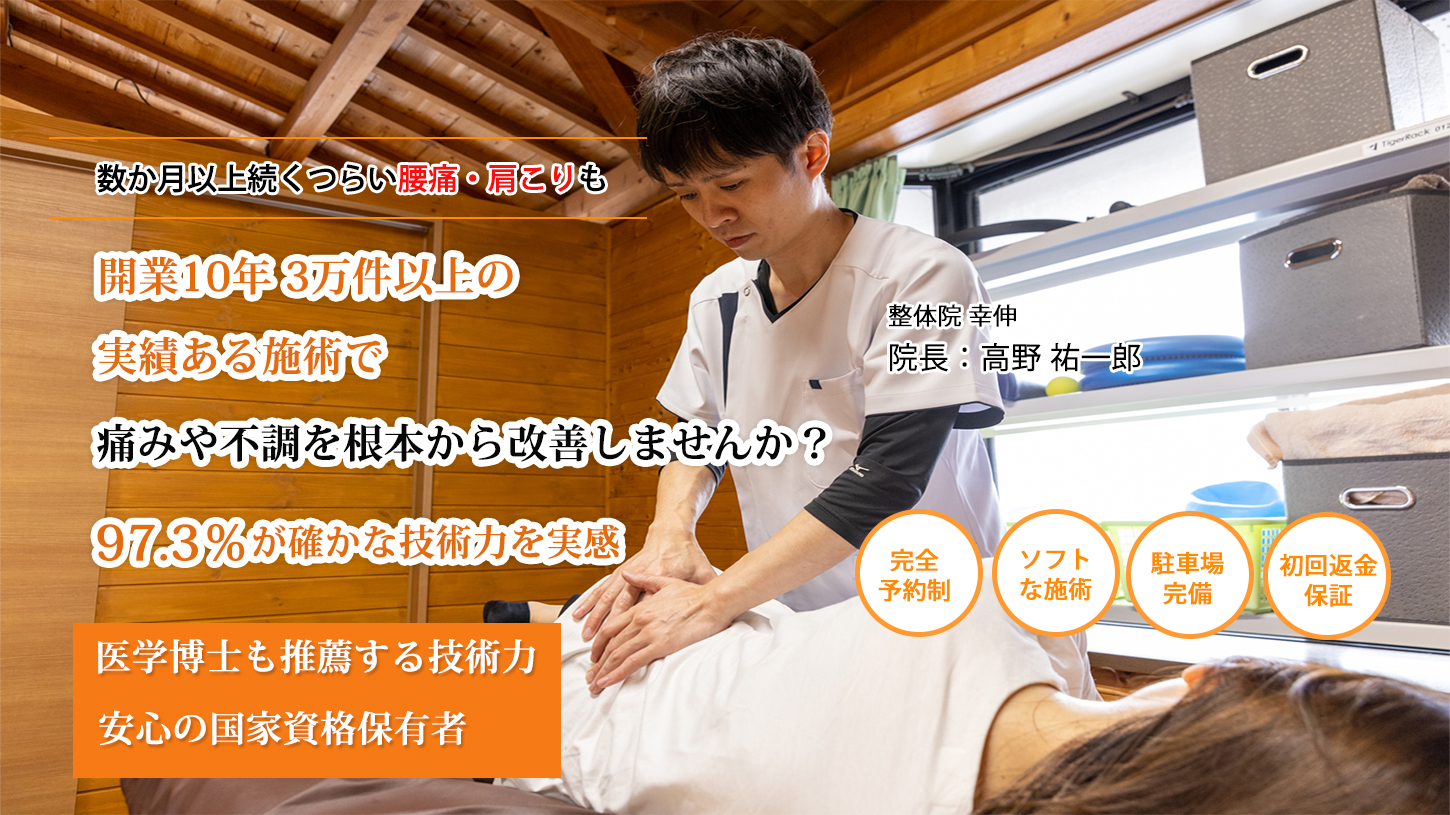
Many people experience burning or prickling feelings in their upper back and cervical region due to nerve compression , often from everyday habits like prolonged sitting or looking down at devices . This discomfort can interfere with rest , 米子 肩こり hinder work performance , and limit simple movements , making it crucial to address early . Understanding the primary triggers helps in finding actionable strategies to relieve pressure and stop progression . Ignoring these signs might lead to chronic issues , so proactive steps are key to maintaining comfort .
Adjusting your posture is a easy but impactful step. When working at a desk, ensure your computer screen is at eye level to avoid straining your neck . Keep your upper back loose and avoid hunching forward . For phone use, use a stand to keep your screen level to minimize strain on your neck muscles . These small adjustments can make a big difference over time . Even quiet improvements, like using a lumbar roll and placing your soles firmly on the ground , alleviate strain on spinal structures .
Gentle stretches can ease muscular constriction without causing harm. Try slowly tilting your head toward each shoulder , maintaining the stretch for half a minute without bouncing . Shoulder rolls backward help loosen stiff muscles , and chest-opening stretches counteract kyphotic alignment. Perform these movements in short bursts throughout the day, but discontinue if discomfort escalates . Consistency matters more than intensity here— frequent micro-movements build sustainable mobility faster than sporadic workouts. Always move mindfully to avoid aggravating sensitive nerves .
Your workspace setup plays a decisive part in protection . Adjust your chair so your soles touch the floor and your thighs are parallel to the ground . Take quick movement intervals every 30 to 45 minutes to stand, walk, or stretch . Stress also increases fascial tension, so deep breathing exercises or present-moment awareness can calm the nervous system . Even five minutes of mindful breathing daily supports the body’s self-regulation by promoting parasympathetic recovery. Incorporating regular positional shifts prevents tension from accumulating unnoticed .
Sleeping position significantly impacts spinal neutrality . Use a supportive pillow that keeps your spine neutral , neither too high nor too flat . Avoid sleeping on your stomach , which distorts the upper spine. Consistent sleep habits contribute to sustained recovery by giving nerves time to decompress . Small adjustments here can prevent morning stiffness .
By integrating these practices into your routine, you can markedly improve nerve-related sensations. Small, consistent changes often yield the most sustainable outcomes, helping you engage fully in everyday activities. Prioritizing these habits not only addresses present pain but also builds a buffer against recurring strain, supporting lasting quality of life through natural means.
- 이전글Полотенца из Иванова Наташа Текстиль 26.04.22
- 다음글The Long-Term Effects of Ignoring Postural Imbalances 26.04.22
댓글목록
등록된 댓글이 없습니다.