



Understanding Buyer Volume: Exactly Why Your Price Shapes the Selling …
페이지 정보

본문
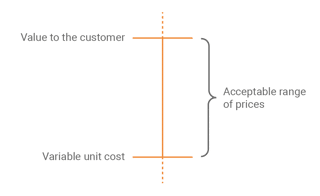 They can instantly tell if a home is priced fairly or "optimistically" by comparing it to recent settled sales on major portals. In this environment, the "negotiation" happens between buyers, which is far more profitable for the seller than negotiating against a single, hesitant purchaser.
While strategic positioning is valuable, all pricing must stay strictly legal with South Australian consumer laws. Homeowners must ensure their price ranges match actual comparable sales at the same time leveraging the psychological filter rules.
Strategic positioning is the conscious commitment made by the seller to determine how buyers respond to the home. Sellers must choose between positioning conservatively, competitively, or toward the upper end of the market based on their specific goals.
An auction doesn't "make" a house more valuable; it simply provides the environment to extract the maximum possible value from the current buyer pool. Conversely, a private sale can reach the identical figure if the negotiator is experienced and the positioning is correct.
Lower Price Points: look at more info entry brackets, purchaser pools are broader, typically leading to more attendance and faster selling timeframes.
Narrow Market Depth: This requires a greater reliance on property valuation SA differentiation and presentation.
Strategic Consequences: Choosing to price at the top of the market means managing increased stress over the campaign.
The Short Answer: A property pricing strategy refers to how a home is positioned relative to comparable sales, buyer expectations, and current market conditions. Instead, it is a deliberate positioning decision that determines how buyers interpret the property before they even attend an inspection.
Slower Momentum: Over a period, attendance volume declined and enquiry faded.
Observation Mode: Many buyers monitored the home from the start but delayed action, waiting for a value drop.
Concentrated Intent: Approximately 8 weeks after launch, renewed competition between watching parties eventually landed the initial price.
One-on-One Deals: The eventual result is found through private back-and-forth between the agent and single parties.
Flexible Timelines: Unlike auctions, private sales can continue for weeks as the perfect buyer is identified.
Handling Conditional Offers: Private treaty agreements often feature conditions such as inspections or cooling-off periods.
These are performed by certified professionals who follow a rigid, evidence-based methodology. The primary goal of a valuation is neutrality and risk-aversion, which means it frequently identifies the absolute safest market value.
Is it a mistake to take the first buyer's bid?: Not necessarily.
What should I do if a buyer offers way below my guide?: This keeps the negotiation alive and forces the buyer to justify their position with evidence rather than just a number.
Does a "Best Offer" campaign remove the need for wiggle room?: By setting a deadline, you force all buyers to present their absolute maximum "best and final" offer at once, which usually removes the "back-and-forth" padding that a traditional price-guide sale involves.
The price isn't just a signal to humans; it's a signal to the website's algorithm on where to place your ad. When the positioning is misaligned, the listing is effectively invisible to your ideal audience.
Bracket Management: This fulfills South Australian legal requirements while maintaining a strategic signal.
Bottom-Up Pricing: Setting the initial guide at the absolute minimum level you will accept.
Market-Determined Value: If you have multiple offers at your target price, you have zero need for flexibility; if you have zero offers, your flexibility must increase.
Opinion vs. Positioning: A appraisal is an estimate of worth; a positioning plan is a tool to influence buyer interest.
Fixed Figures vs. Flexible Outcomes: An appraisal is often a fixed number, while a strategy manages price flexibility and timing uncertainty.
Responsibility: Advice from professionals supports choices, but the eventual decision strictly rests with the property owner.
Is time on market bad for my sale price?: However, the cost is the uncertainty and stress associated with an extended campaign.
What is the market depth in my area?: An expert should review comparable past data and live enquiry levels to outline market volume.
Is it better to have more buyers or fewer, higher-paying buyers?: Broad depth provides faster certainty and leverage, while narrow depth needs more patience and superior presentation.
Pricing choices involve trade-offs, and these outcomes are unbalanced. Ultimately, pricing strategy is a positioning decision, not just a number, and understanding this allows sellers to make commitments that align with their specific goals and risk tolerance.
Agents contribute pricing advice by analyzing recent settled sales, interpreting buyer demand, and explaining how the market is likely to respond. However, it is important to remember that agents do not control outcomes and do not bear the long-term consequences of these pricing decisions.
- 이전글Reasons I Hate Topamateurpornsitescom 26.03.12
- 다음글Price Positioning as a Behavioral Mechanism: Exactly Why Early Framing Dictates Buyer Psychology|Decoding the Psychology of Property Price Signals: How Initial Positioning Influence Sale Results|The Power of Market Framing in SA: Why Early Pricing Matter 26.03.12
댓글목록
등록된 댓글이 없습니다.