



Understanding the Evolution of Luxury Replica Generations
페이지 정보

본문
The history of luxury replicas can only be fully understood by analyzing the transformation of production methods, consumer demand, and distribution channels across decades
Initial counterfeits from the 70s and 80s were poorly crafted, with little regard for authenticity or detail
These were typically produced in small workshops using low quality materials and basic sewing techniques
The logos were often misspelled or misaligned, and the overall construction lacked the precision of authentic pieces
Buyers at the time were primarily looking for a visual resemblance rather than functionality or durability
As consumer appetite grew, the 90s ushered in a more systematic approach to counterfeit production
Producers started buying real handbags and shoes to disassemble and analyze their construction
Quality improved dramatically with upgraded textiles, tighter seams, and hardware that more closely matched originals
Brand lettering was refined, and boxes, tags, and dust bags began to resemble genuine packaging
These replicas were often sold through informal markets and word of mouth, and buyers began to expect a higher level of detail
The digital age transformed counterfeiting, making high-quality replicas accessible to a global audience
Websites like eBay, AliExpress, and private forums became central to the replica trade, with users exchanging detailed reviews and detection techniques
Advanced equipment replaced manual tools, and some factories obtained authentic leather, metal, 高仿LV 純原版本 or lining from the same sources as luxury labels
These fakes were indistinguishable at a glance, requiring magnification or tactile examination to detect flaws
This era marked the arrival of replicas designed to be virtually identical in every measurable detail
Factories deployed industrial-grade 3D modeling, CNC laser cutters, and inkjet printers capable of matching brand-specific patterns
Insider knowledge from ex-artisans and quality control staff helped replicate hidden details like stitch density, glue application, and internal linings
Packaging, dust bags, authenticity cards, and serial numbers were replicated with astonishing accuracy
These replicas were not just for casual wear but were often worn in professional settings where the wearer expected to be perceived as wearing the real thing
Modern counterfeits now reflect a new era defined by customization, digital verification, and niche market segmentation
Personalization has become standard, with clients selecting leather tones, metal finishes, monogram fonts, and even interior linings
Some are even sold with digital certificates of authenticity through blockchain technology, adding a layer of perceived legitimacy
The market has also become more segmented, with replicas catering to different tiers of buyers: those seeking affordability, those chasing aesthetic perfection, and those wanting the entire experience including unboxing and documentation
It is important to note that regardless of the generation, replicas remain unauthorized copies of protected designs and violate intellectual property laws
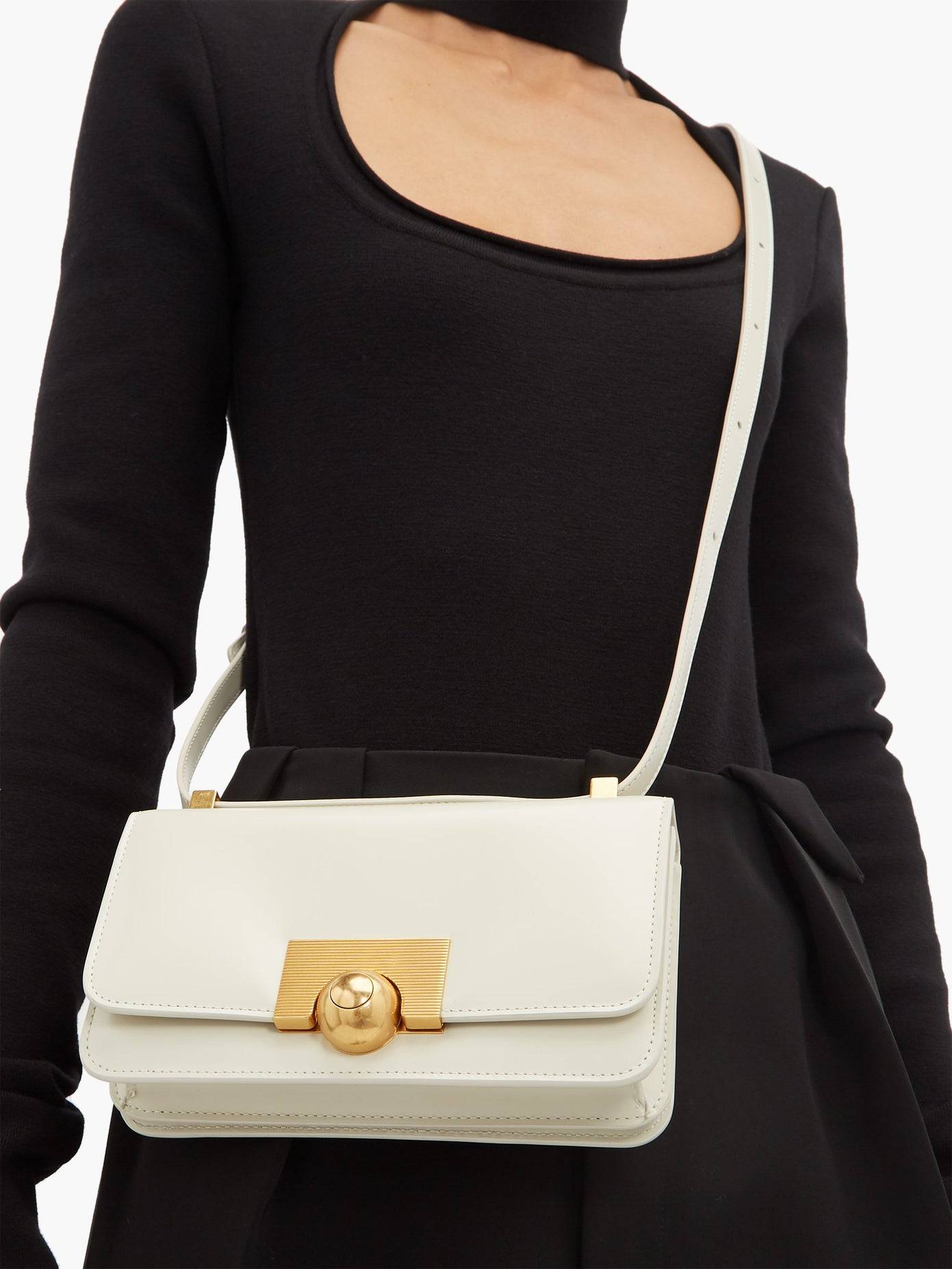
Technological progress doesn’t absolve the moral and legal wrongdoing inherent in producing unauthorized copies
Awareness of this progression empowers consumers—not to buy fakes, but to appreciate and invest in the true value of craftsmanship, heritage, and innovation
- 이전글How to Build a Professional Replica Collection Portfolio 26.04.14
- 다음글Mastering Seller Relationships: The Art of Trusted Communication 26.04.14
댓글목록
등록된 댓글이 없습니다.