



Tokenization of Real-World Assets (RWA): Bridging Traditional Financin…
페이지 정보

본문
Tokenization of Real-World Possessions (RWA): Connecting Conventional Finance and Blockchain
Abstract
The tokenization of real-world assets (RWA) stands for a transformative intersection between standard finance and blockchain modern technology. By converting physical and economic properties into digital symbols, RWA tokenization opens liquidity, improves transparency, and decreases intermediation expenses. This article explores the devices, advantages, obstacles, and future leads of RWA tokenization, highlighting its prospective to reinvent property ownership and financial investment.
Introduction
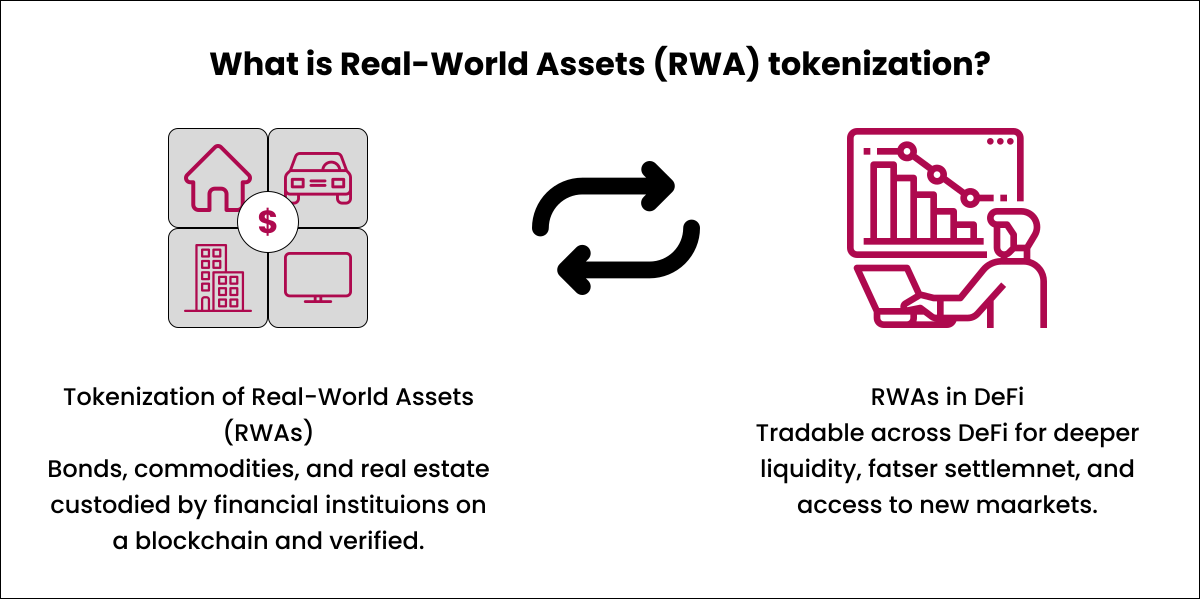
The advent of blockchain modern technology has actually presented innovative ways to stand for and trade worth. Amongst these technologies, the tokenization of real-world properties (RWA) stands out as an innovative application. RWA tokenization includes developing digital symbols on a blockchain that stand for ownership or claims on physical possessions such as property, assets, or monetary tools like bonds and equities. This procedure merges the performance and transparency of decentralized journals with the security and experience of standard assets.
Devices of RWA Tokenization
Tokenization transforms the value of a possession into an electronic token, which can be traded or hung on a blockchain. The procedure normally involves the adhering to actions:
- Possession Selection: Determine the real-world asset to be tokenized, such as home, Best real World assets crypto list art, or business bonds.
- Legal Structuring: Establish a lawful framework to make certain compliance with guidelines, typically involving Unique Purpose Autos (SPVs) or counts on to hold the hidden possession.
- Assessment and Fractionalization: Assess the possession and separate its value right into smaller, tradable devices stood for by symbols.
- Token Issuance: Produce electronic symbols on a blockchain system, ensuring they are backed by the underlying possession.
- Circulation and Trading: Provide the tokens on exchanges or marketplaces, making it possible for capitalists to purchase, market, or trade them.
Smart agreements play a crucial function in automating processes like reward circulations, electing civil liberties, and conformity checks, better enhancing performance.
Benefits of RWA Tokenization
The tokenization of RWAs supplies various benefits:
1. Boosted Liquidity
Typical assets like property or fine art are frequently illiquid because of high entrance barriers and extensive transaction processes. Tokenization fractionalizes these possessions, allowing smaller sized investors to participate and trade tokens on additional markets, thus improving liquidity.
2. Openness and Security
Blockchain's immutable journal makes sure transparent record-keeping of possession and deal background. Smart contracts automate enforcement of terms, decreasing scams and conflicts.
3. Lowered Intermediation
By getting rid of intermediaries such as brokers or custodians, tokenization decreases transaction costs and rates up settlements. This equalizes access to investment chances.
4. International Accessibility
Tokenized possessions can be traded 24/7 on international platforms, damaging down geographical barriers and allowing cross-border investment.
Difficulties and Risks
In spite of its possibility, RWA tokenization deals with several obstacles:
1. Regulative Uncertainty
The lawful status of tokenized assets varies throughout jurisdictions. Governing structures for securities, taxes, and anti-money laundering (AML) are still advancing, developing compliance complexities.
2. Technical Obstacles
Scalability, interoperability, and security concerns linger in blockchain networks. Ensuring durable facilities is critical to taking care of large-scale tokenization.
3. Market Adoption
Traditional financiers and institutions might be hesitant to embrace tokenized properties as a result of unfamiliarity or apprehension regarding blockchain technology.
4. Possession Valuation and Custodianship
Exact evaluation of underlying properties and safe guardianship options are vital to preserve trust in tokenized offerings.
Instance Studies
A number of pioneering projects highlight the possibility of RWA tokenization:
1. Realty Tokenization
Systems like RealT and Propy allow fractional ownership of homes through symbols. Financiers can acquire shares in high-value property, gaining rental income or capital gains.
2. Art and Collectibles
Companies such as Maecenas and Masterworks tokenize great art, allowing capitalists to have fractions of paintings by renowned artists like Picasso or Warhol.
3. Business Bonds and Equities
Santander Financial institution provided a $20 million blockchain-based bond in 2019, showing the performance of tokenized debt tools.
Future Prospects
The RWA tokenization market is positioned for substantial growth. Experts forecast that trillions of bucks in possessions can be tokenized over the following decade, driven by institutional rate of interest and governing clearness. Key trends to view include:
- Combination with DeFi: Tokenized RWAs can be utilized as collateral in decentralized finance (DeFi) methods, unlocking new financial products.
- Reserve Bank Digital Currencies (CBDCs): Governments exploring CBDCs might utilize tokenization for sovereign financial debt or public infrastructure tasks.
- Interoperability Standards: Development of cross-chain solutions When will cryptocurrencies rise again certainly facilitate smooth trading of tokenized properties across different blockchains.
Conclusion
RWA tokenization stands for a paradigm change in just how properties are possessed, traded, and handled. By combining the toughness of blockchain with traditional financing, it resolves longstanding inadequacies while opening up new avenues for investment. However, conquering regulative, technological, and adoption difficulties will be vital to understanding its complete possibility. As the community matures, RWA tokenization can come to be a keystone of the international economic system, bridging the gap in between the future of crypto mining physical and digital economies.
Referrals
(Consist of relevant scholastic documents, industry reports, and whitepapers below.)
The tokenization of real-world assets (RWA) stands for a transformative intersection between conventional money and blockchain innovation. By converting physical and financial properties into digital symbols, RWA tokenization unlocks liquidity, boosts transparency, and decreases intermediation costs. Amongst these innovations, the tokenization of real-world properties (RWA) stands out as a revolutionary application. RWA tokenization entails producing digital symbols on a blockchain that represent possession or claims on physical assets such as real estate, products, or economic instruments like bonds and equities. If you loved this short article and you would like to obtain additional info about Best Real World Assets Crypto List (Www.Divephotoguide.Com) kindly go to our site. RWA tokenization represents a standard change in just how assets are owned, traded, and managed.
- 이전글Báo cáo nghiên cứu về fb88 26.02.24
- 다음글Comprehensive Study Report on 188bet: A Leading Online Betting Platform 26.02.23
댓글목록
등록된 댓글이 없습니다.